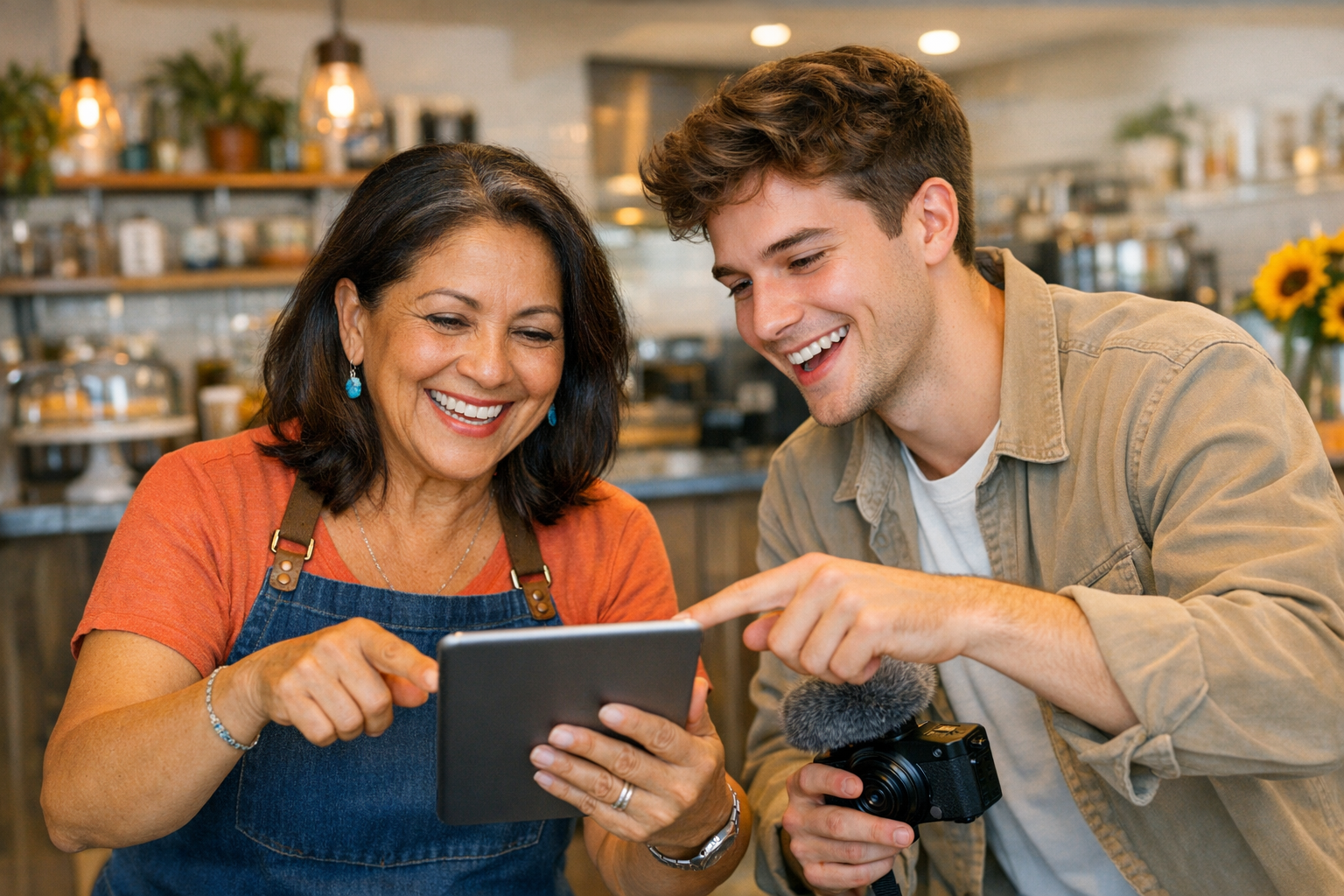
You don’t need a celebrity endorsement to win at influencer marketing. In fact, you’re better off without one.
Micro-influencer marketing — partnering with content creators who have between 1,000 and 100,000 highly engaged followers — consistently outperforms big-name celebrity deals for local and small businesses. The reason is simple: micro-influencers have real relationships with their audiences. Their followers trust their recommendations the same way you’d trust advice from a knowledgeable friend.
For small businesses competing against bigger brands with deeper pockets, micro-influencers are one of the most powerful and cost-effective growth tools available in 2026.
This guide covers exactly how to find the right micro-influencers, structure your partnerships, and measure results that actually matter to your business.
Why Micro-Influencers Beat Mega-Influencers for Small Business
The influencer marketing world loves to celebrate celebrity partnerships with millions of followers. But for most small businesses, those deals are out of reach — and even if they weren’t, they often underdeliver.
Here’s what the data actually shows:
| Metric | Mega-Influencer (1M+) | Micro-Influencer (1K–100K) |
|---|---|---|
| Average engagement rate | 1–2% | 5–10% |
| Audience trust | Moderate | High |
| Cost per post | $10,000–$100,000+ | $50–$2,000 |
| Audience specificity | Broad/national | Niche/local |
| Conversion to purchase | Low | High |
Micro-influencers win on the metrics that actually drive sales: engagement, trust, and relevance. A yoga instructor with 8,000 local followers who posts about a med spa treatment will drive more bookings than a celebrity with 3 million followers scattered across the country.
Why the trust gap exists: Micro-influencers are genuinely selective about what they promote. Their audience knows this. When someone who usually posts about local restaurants or fitness suddenly endorses a product, their followers pay attention — because it doesn’t happen constantly.
What “Local” Micro-Influencer Really Means
Before you start your search, it helps to understand the different tiers within micro-influencer marketing:
Nano-influencers (1,000–10,000 followers): Often the strongest ROI for hyper-local businesses. A well-connected local mom with 3,000 engaged followers can send a steady stream of neighbors your way. These partnerships often work best as product/service exchanges rather than paid deals.
Micro-influencers (10,000–100,000 followers): Broader reach while maintaining strong engagement. These creators typically have a defined niche — food, fitness, parenting, local lifestyle — and a loyal audience that trusts their voice.
Local vs. niche: For businesses serving a specific geography (like Southwest Florida), local relevance matters more than follower count. A creator with 5,000 followers in Naples is worth more to a Naples restaurant than a fitness influencer with 80,000 followers spread nationally.
The sweet spot for most small businesses: 1,000 to 25,000 followers, based in your market, posting in a niche that naturally overlaps with your business.
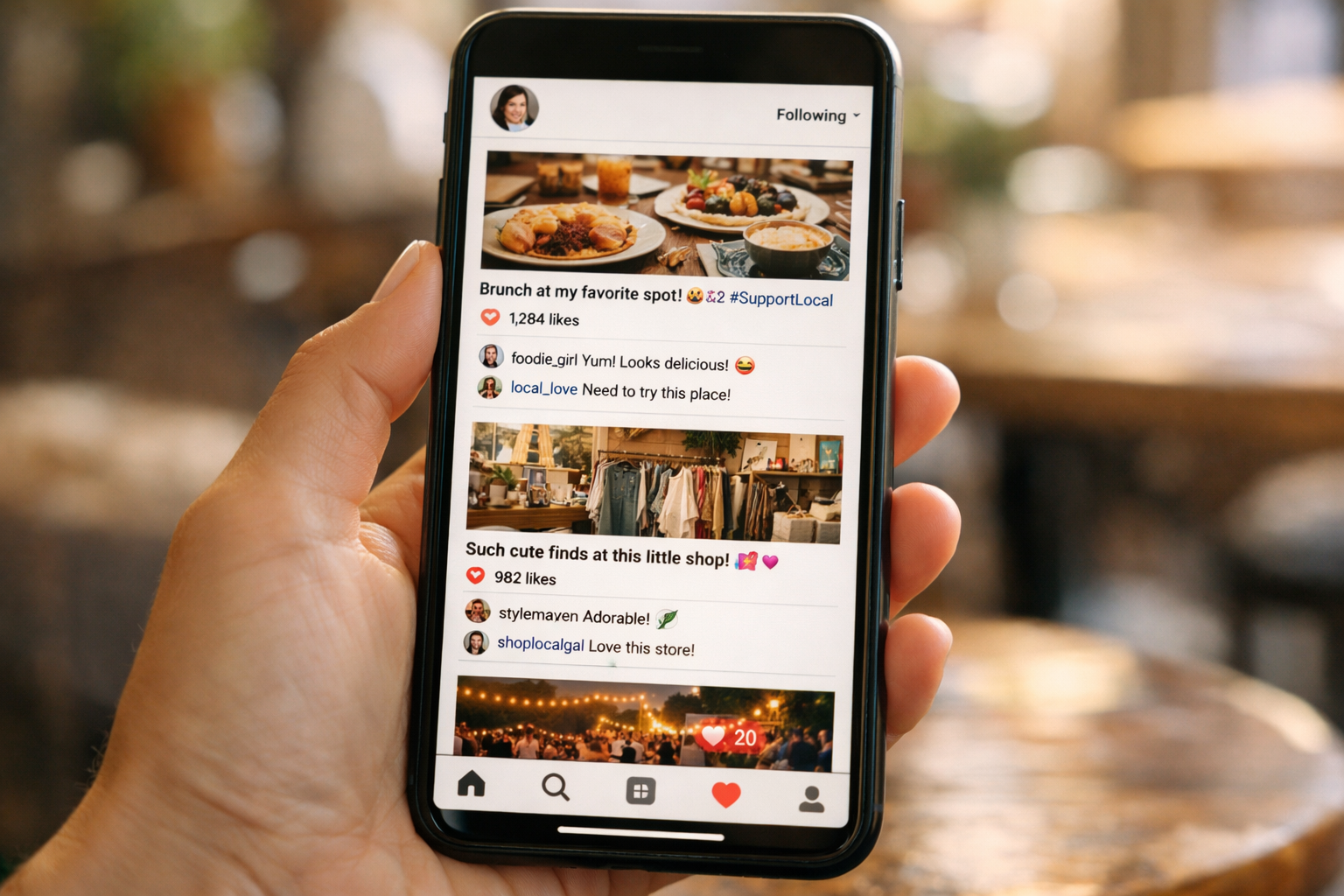
How to Find the Right Micro-Influencers
You don’t need expensive influencer platforms to find great partners. Here’s a practical search process that works:
Start with Instagram and TikTok Search
Search hashtags relevant to your location and niche. If you’re a med spa in Naples, try:
#NaplesFlorida#NaplesFL#SWFL#NaplesBeauty#NaplesWellness#FortMyersMom#FloridaLifestyle#SWFLLiving
Look at who’s posting with these tags consistently. Check their engagement (likes + comments ÷ followers). Anything above 3% is solid; 5%+ is excellent.
Check Your Existing Customer Base
Your best potential micro-influencer might already be a loyal customer. Look through your tagged posts, check who leaves glowing reviews, and think about customers who regularly refer friends. Someone who already loves your business will be the most authentic advocate.
Use Google to Surface Local Bloggers
Search "Naples Florida" blog + [your niche] or "Fort Myers" lifestyle influencer. Local bloggers often have smaller but extremely engaged audiences — and lower barriers to partnership.
Evaluate Before You Reach Out
Before contacting anyone, check:
- Content quality: Does it look professional and authentic?
- Engagement quality: Are the comments real conversations or just emoji spam?
- Audience location: Scroll their tagged posts and check if followers are commenting from your area
- Brand alignment: Do they post about things that relate to your business?
- Post frequency: Are they active? At least weekly is ideal.
How to Structure Your First Partnership
The biggest mistake small businesses make with influencer marketing is treating it like an ad buy. It isn’t. You’re building a relationship with a creator who has a relationship with an audience.
The Gifted Experience Model
For nano and smaller micro-influencers, the most common starting point is a gifted collaboration — you provide your product or service at no cost, and they share an honest review.
This works well because:
- Low financial risk for you
- The creator gets genuine value to share
- Content feels authentic (because it is)
- You can test the partnership before spending money
Be clear about expectations upfront: “We’d love to offer you [X] in exchange for an honest post on Instagram and a story — would that work for you?” Leave room for them to decline or negotiate. Pressure kills authenticity.
Paid Partnerships
For micro-influencers with larger, highly engaged audiences, paid partnerships make sense. Typical rates for local micro-influencers in 2026:
- 1K–5K followers: $50–$200 per post
- 5K–20K followers: $200–$800 per post
- 20K–100K followers: $500–$2,000 per post
These rates vary significantly based on niche, engagement, and platform. Fitness and lifestyle influencers often charge more than general local lifestyle creators.
Always ask for a media kit (most established creators have one) and negotiate based on deliverables: one Instagram post, two stories, one Reel, etc.
Affiliate / Commission Partnerships
For e-commerce or bookable services, consider offering a unique discount code or affiliate link. The creator earns a small commission on every sale they drive. This aligns incentives — they’re motivated to genuinely promote because their earnings depend on it.
“Use [NAME]10 for 10% off your first appointment” is simple, trackable, and gives their audience a tangible reason to act.

The Outreach Message That Gets Responses
Most businesses write terrible outreach messages. They’re generic, overly formal, or too focused on what the business wants.
Here’s a template that actually works:
Subject: Collaboration idea — [Business Name] x [Creator Name]
Hey [Name]!
I’ve been following your content for a while — your post about [specific recent post] was spot-on. We love how you [specific thing about their style or niche].
We’re [brief description of your business] here in [location], and we think your audience would genuinely love what we do. We’d love to invite you in for [specific offer — e.g., a complimentary facial, dinner for two, a class] and see if it feels like a fit.
No pressure and no script — just want you to experience it and share honestly if you enjoy it.
Would you be interested?
[Your name] [Business name] [Instagram handle]
Key elements: personalize it with something specific about their content, lead with what’s in it for them, and remove pressure. Never start with “We’d love for you to promote…”
What to Brief Your Influencer On
Once someone agrees to a partnership, give them a light brief — not a script. The goal is to inform without constraining.
A good brief covers:
- Your key differentiators: What makes your business genuinely special (not marketing fluff)
- Your target customer: Who you serve and what matters to them
- Any compliance requirements: HIPAA notes for healthcare, FTC disclosure reminders (#ad or #partner)
- One or two talking points: Not word-for-word, just themes to weave in naturally
- What NOT to mention: Competitors, pricing changes, things that might be outdated
Tell them: “We trust your creative instincts — your audience follows you because of your voice, not ours. Just be honest about your experience.”
Measuring Your Results
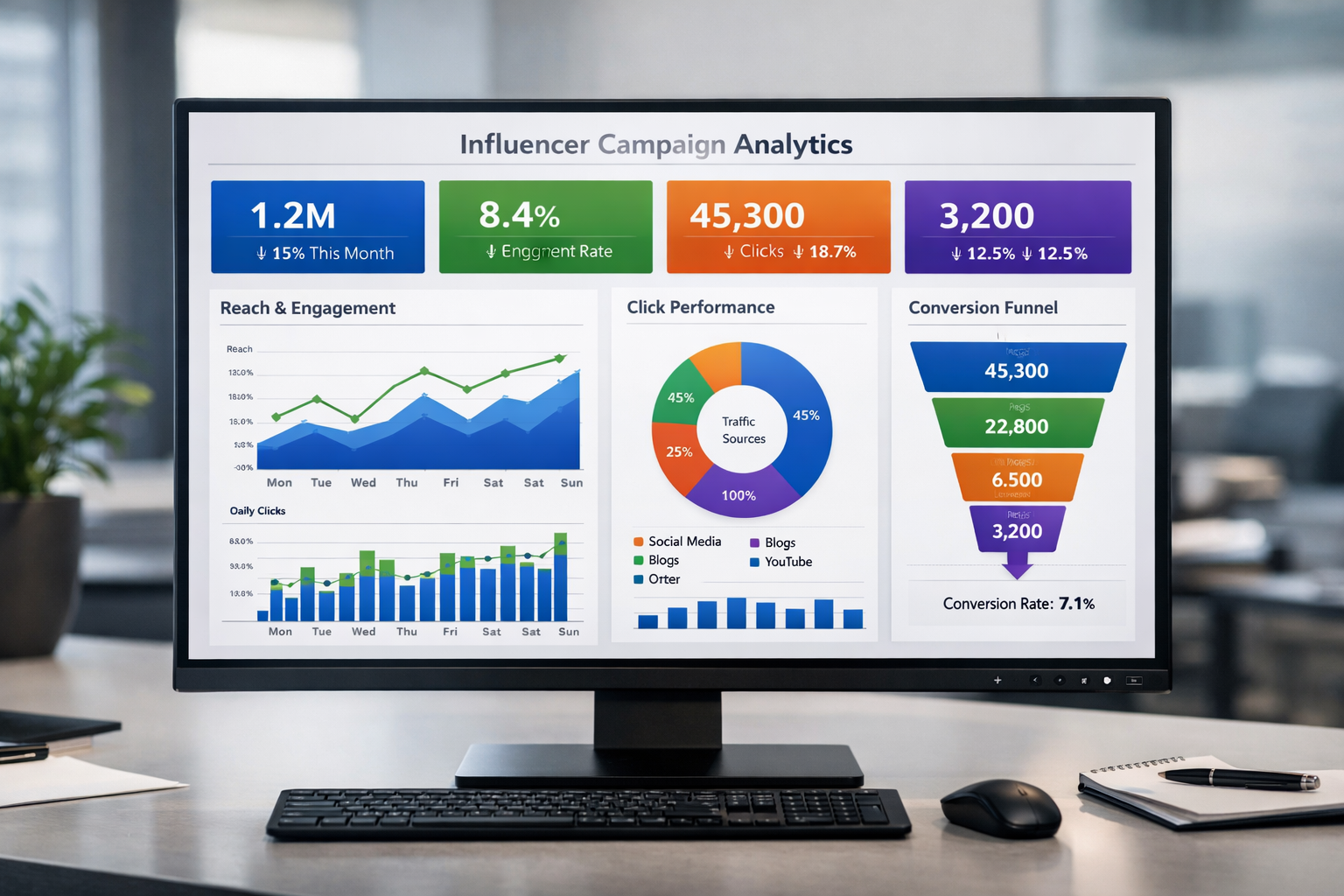
This is where many small businesses go wrong — they look at vanity metrics (likes, views) and miss the numbers that actually matter.
Tier 1 — Reach metrics: How many people saw it?
- Impressions and reach on the influencer’s post
- Story views
- Reel plays
Tier 2 — Engagement metrics: Did people care?
- Comment sentiment (are people asking “where is this?” or “how do I book?”)
- Saves (often the strongest signal of intent)
- Shares and DMs generated
Tier 3 — Business impact: Did it drive results?
- Website traffic spike on publish day (check Google Analytics 4)
- Discount code usage
- New bookings or leads that mention the influencer
- New followers on your own account
Ask every new customer for the next two weeks: “How did you hear about us?” You’ll be surprised how often you hear a specific creator’s name.
Building a Long-Term Influencer Program
One-off posts generate spikes. Ongoing relationships build momentum.
The businesses that get the best results from micro-influencer marketing treat it like any other relationship-based marketing: consistent, genuine, and mutually beneficial.
Monthly ambassador program: Identify 3–5 local creators who align with your brand and set up monthly partnerships. A recurring commitment gives them a reason to keep your business top of mind and gives you predictable content output.
Exclusive events: Host a “creator preview” before a product launch or service expansion. Invite your influencer partners for a first look, photograph the experience, and let them share organically. The exclusivity angle makes content feel exciting rather than sponsored.
Repurpose their content: With permission, use their posts in your own marketing — Instagram ads, email campaigns, your website’s social proof section. High-quality UGC (user-generated content) converts better than polished branded content because it’s real.
Build relationships, not transactions: Check in between campaigns. Comment on their non-sponsored posts. Send a thank-you when their content performs well. Influencers who genuinely like your business will mention you even when there’s no formal deal.
Common Mistakes to Avoid
Chasing follower count over relevance. A food blogger with 50,000 followers who posts about Naples restaurants will outperform a generic lifestyle influencer with 200,000 followers split across 20 states.
Micromanaging the content. Give them a brief, not a script. If their post sounds like a press release, their audience will scroll past it.
Skipping the FTC disclosure. The FTC requires disclosure of paid partnerships in the US. “This is a paid partnership with [Business]” or #ad in the caption keeps everyone compliant and builds trust with the audience.
Judging success too quickly. One post rarely goes viral. Three to five touchpoints with an audience builds awareness. Think in campaigns, not individual posts.
Not following up. If a creator’s post drove real results, tell them. Thank them. That conversation is the beginning of an ongoing partnership.
Getting Started This Week
You don’t need a big budget or a formal program to start. Here’s a practical first step:
- Search Instagram for 3 local creators in your niche this week
- Check their engagement — aim for 3%+ and real comments
- Send one genuine outreach message using the template above
- Offer a gifted experience in exchange for honest, optional coverage
- Track new customers who mention them over the next 30 days
Most small businesses that try micro-influencer marketing get results within the first two to three partnerships. The ones that build it into a consistent strategy turn it into a reliable, evergreen customer acquisition channel.
The relationship economy is real — and micro-influencers are its most powerful connectors.
Ready to build a marketing system that compounds over time? Monsoft Solutions helps small businesses in Southwest Florida and beyond design digital strategies that drive real results — from social proof and content marketing to CRM automation and email sequences that convert influencer traffic into long-term customers. Let’s talk →