
The big chains have bigger budgets, wider reach, and sophisticated marketing teams. But they’ll never have what you have: a genuine stake in your community. Community engagement marketing transforms that local advantage into a sustainable competitive edge that no national competitor can replicate.
When a plumber sponsors the Little League team, or a salon donates services for a charity auction, or a restaurant hosts neighborhood meetups—these aren’t just nice gestures. They’re strategic investments that generate word-of-mouth referrals, build brand loyalty, and create the kind of authentic connections that keep customers coming back for decades.
For local businesses in Southwest Florida and beyond, community engagement isn’t just marketing—it’s survival. Here’s how to do it right.
What Is Community Engagement Marketing?
Community engagement marketing is a strategy where businesses build relationships with their local community through participation, sponsorship, partnerships, and genuine involvement in local causes and events. Unlike traditional advertising that broadcasts messages at people, community engagement creates two-way relationships that generate trust, loyalty, and organic word-of-mouth.
The key difference: you’re not selling—you’re belonging. When customers see you as part of their community rather than just another business, their purchasing decisions shift from transactional to relational.
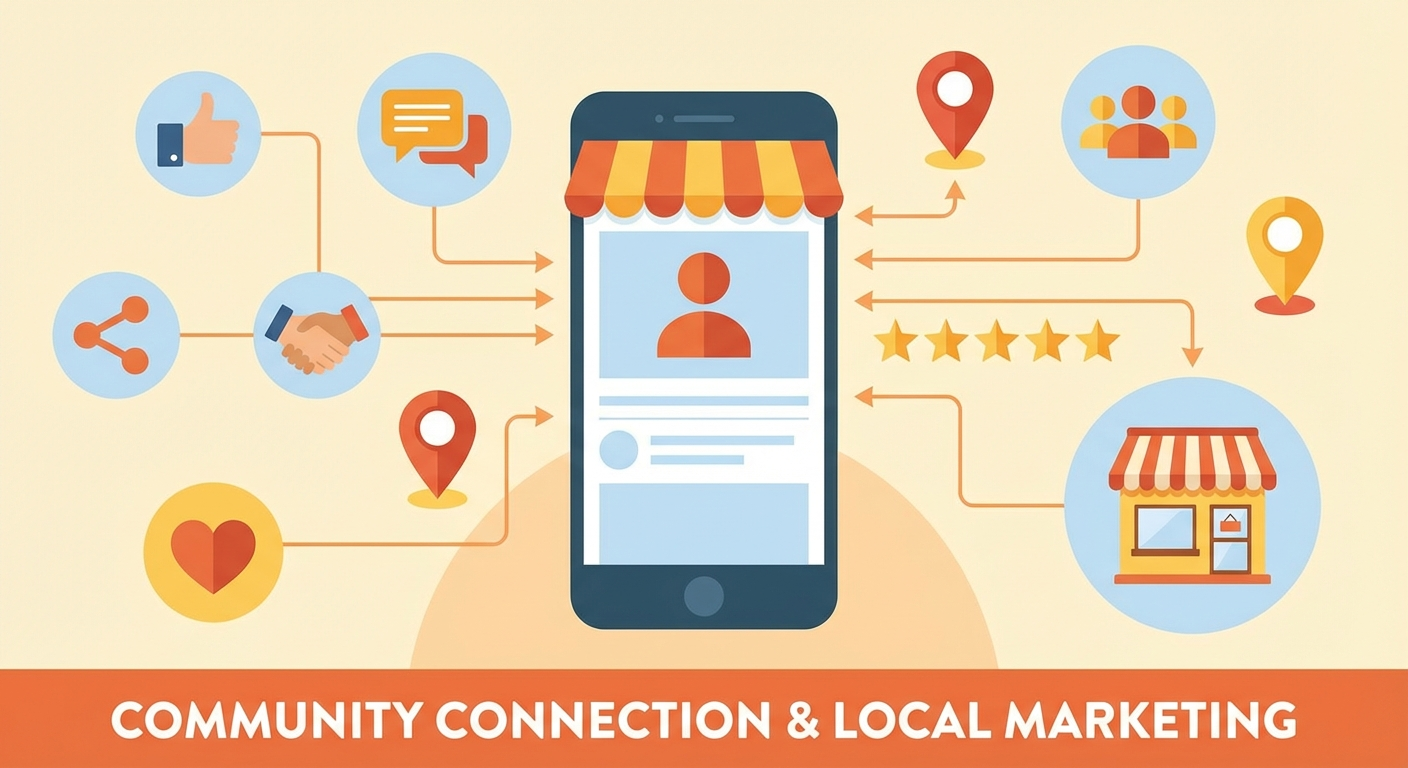
Why Community Engagement Beats Traditional Advertising
Trust Is the New Currency
According to Nielsen research, 92% of consumers trust recommendations from friends and family over any form of advertising. Community engagement generates exactly these kinds of recommendations—naturally and authentically.
When you sponsor the local 5K run, the runners remember. When you donate to the school fundraiser, parents remember. When you show up at the neighborhood cleanup, residents remember. And when they need your service, they call you first.
Big Chains Can’t Replicate It
National franchises can outspend you on digital ads and TV commercials. But they can’t authentically integrate into your community. Their “local” marketing feels corporate because it is. Your involvement feels genuine because it is.
This is your competitive moat. While competitors compete on price or convenience, you compete on relationship—and relationships are sticky.
The ROI Is Real
Community engagement delivers measurable results:
| Metric | Average Impact |
|---|---|
| Customer retention | +25-40% higher |
| Referral rate | 3-5x traditional marketing |
| Customer lifetime value | +35% increase |
| Brand recall | +50% vs. paid ads |
| Cost per acquisition | 40-60% lower |
7 Community Engagement Strategies That Work
1. Sponsor Local Events and Teams
Youth sports teams, school events, charity runs, and community festivals all need sponsors. Your logo on the Little League jerseys puts your business in front of hundreds of families—and positions you as invested in their kids’ success.
How to do it right:
- Choose sponsorships aligned with your values and customer base
- Show up in person, not just with a check
- Create memorable moments (free samples, giveaways, photo ops)
- Follow up on social media with photos and tags
Budget range: $250-$2,500 for most local sponsorships—a fraction of equivalent ad reach.
2. Partner with Complementary Local Businesses
Cross-promotion with non-competing local businesses multiplies your reach without multiplying your budget. A hair salon partners with a nail studio. A plumber partners with an electrician. A restaurant partners with a local winery.
Partnership ideas:
- Joint referral programs
- Co-hosted events or workshops
- Shared loyalty programs
- Bundle promotions
- Guest appearances on each other’s social media
3. Host Community Events
Turn your business into a community hub. Depending on your space and industry, you might host:
- Educational workshops: A hardware store hosts DIY classes. A financial advisor hosts retirement planning seminars.
- Networking events: A coffee shop hosts small business owner meetups.
- Charity drives: A dental office collects school supplies.
- Open houses: A new business invites neighbors to see the space.
Events create stories. Stories get shared. Sharing builds awareness.
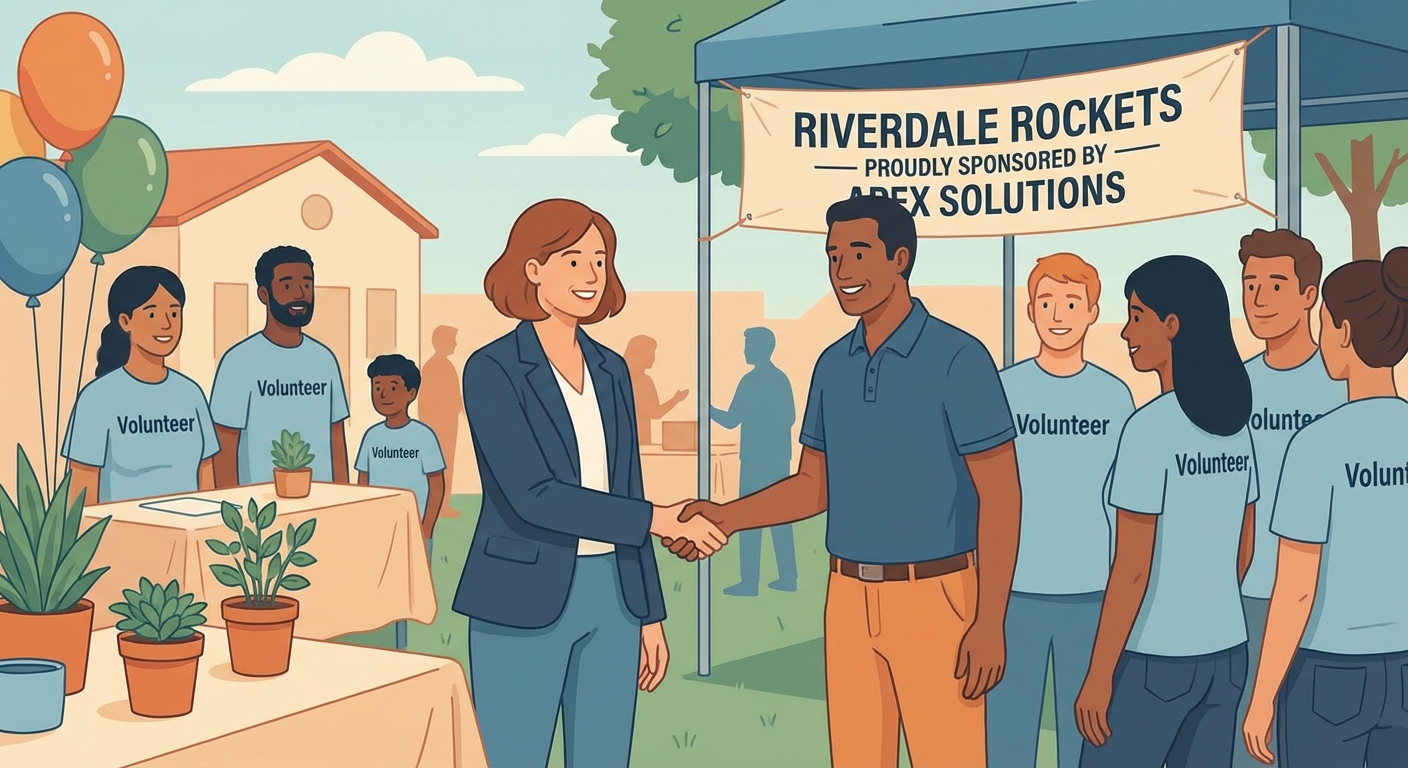
4. Support Local Causes Authentically
Choose causes you genuinely care about, not just what looks good. Authenticity is obvious—and so is its absence.
Effective approaches:
- Donate a percentage of sales to local charities
- Volunteer as a team (and share the experience)
- Offer pro-bono or discounted services to nonprofits
- Create cause-related products or services
In Southwest Florida, hurricane relief, environmental conservation, and youth programs resonate strongly with local communities.
5. Leverage Local Social Media
Your national competitor’s social media is managed from a corporate office hundreds of miles away. Yours can be hyperlocal, personal, and responsive.
Local social media tactics:
- Tag local landmarks, events, and businesses
- Share local news and celebrate community wins
- Respond to every comment and message personally
- Feature customer stories and user-generated content
- Use location hashtags (#SWFL, #NaplesFL, #FortMyers)
Being the business that always shows up in local conversations builds awareness that paid ads can’t buy.
6. Create a Customer Referral Program
Word-of-mouth is powerful. Systematized word-of-mouth is transformational. Create a referral program that rewards customers for spreading the word.
Referral program essentials:
- Make it easy (simple links, QR codes, or mention-based tracking)
- Reward both the referrer and the new customer
- Thank referrers personally
- Track and measure results
Even a simple “mention this customer’s name for 10% off” creates accountability and gratitude.
7. Join Local Business Groups
Chambers of Commerce, BNI chapters, industry associations, and local business alliances put you in rooms with other business owners—who are also potential customers and referral sources.
What to look for:
- Active membership with regular meetings
- Members in complementary industries
- Genuine networking culture (not just sales pitches)
- Community involvement as a group
The investment in dues and meeting time pays dividends in relationships and referrals.
Measuring Community Engagement Success
You can’t improve what you don’t measure. Track these metrics to understand what’s working:
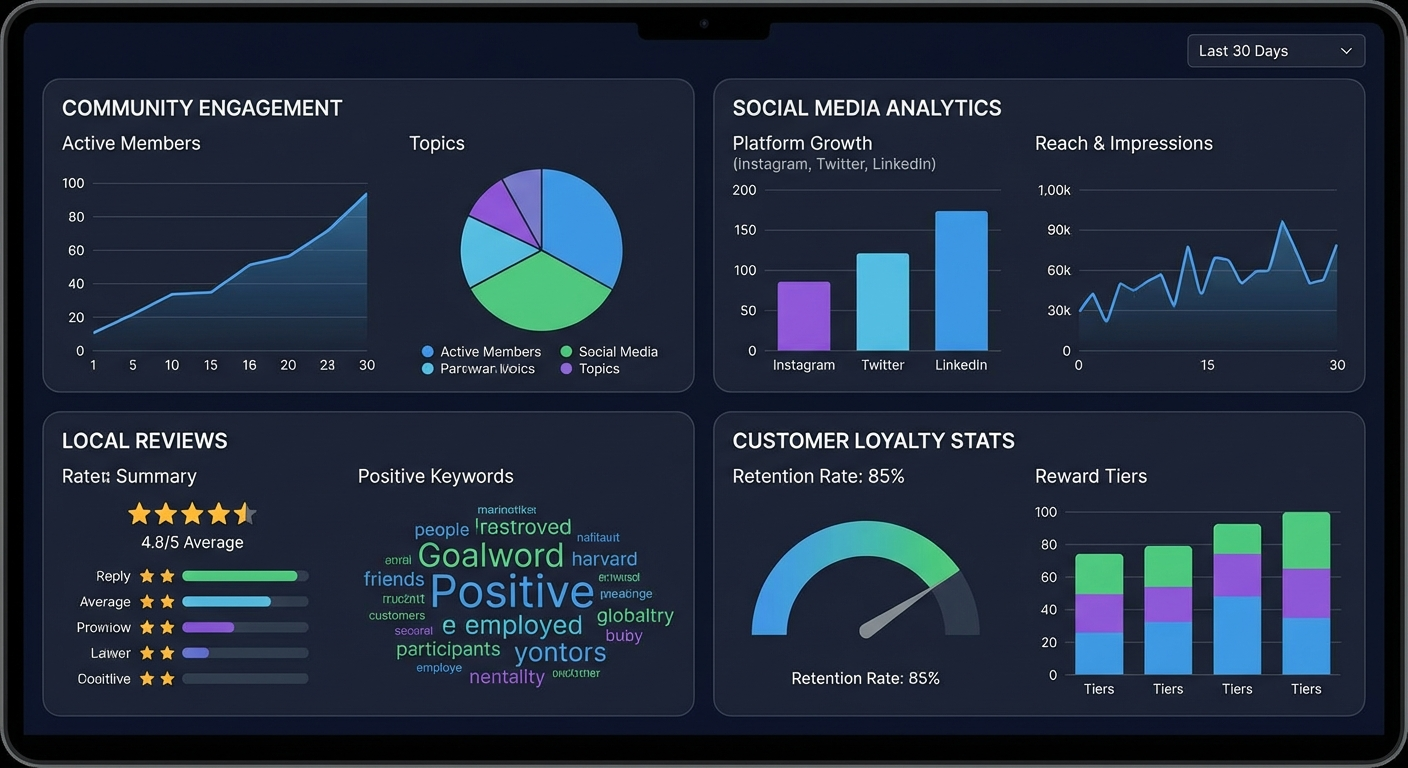
Key Metrics to Track
| Metric | How to Measure |
|---|---|
| Referral source | ”How did you hear about us?” on every inquiry |
| Event attendance | Sign-in sheets, RSVPs, head counts |
| Social engagement | Likes, shares, comments on local content |
| Partnership ROI | Trackable codes/links for cross-promotions |
| Customer retention | Repeat purchase rate by acquisition source |
| Net Promoter Score | ”Would you recommend us?” surveys |
Simple Tracking System
At minimum, ask every new customer: “How did you hear about us?” Track the answers in a spreadsheet or your CRM. After six months, you’ll see clear patterns about which community activities drive the most business.
Getting Started: Your First 30 Days
Overwhelmed? Here’s a simple 30-day plan to launch your community engagement strategy:
Week 1: Research
- List 5 local events or organizations you could sponsor
- Identify 3 complementary businesses for potential partnerships
- Find 2 local causes you genuinely care about
Week 2: Outreach
- Contact one sponsorship opportunity
- Reach out to one potential business partner
- Attend one local business networking event
Week 3: Launch
- Confirm one sponsorship or partnership
- Plan one community event or initiative
- Update social media with local-focused content
Week 4: Amplify
- Document and share your involvement on social media
- Ask satisfied customers for referrals
- Set up tracking for “How did you hear about us?”
Mistakes to Avoid
The Inauthentic Splash
Don’t show up once with a big check and disappear. Consistent, smaller involvement beats occasional grand gestures. Communities notice who’s always there versus who shows up for photo ops.
Ignoring Online Community
Community engagement isn’t just offline. Your Google Business Profile, local Facebook groups, and Nextdoor presence are part of your community presence. Respond to reviews. Answer questions. Be helpful.
Tracking Nothing
“It felt successful” isn’t a marketing strategy. Without data, you can’t know what’s working or double down on winners. Start simple, but start tracking.
Expecting Instant Results
Community engagement is a long game. Relationships take time. The business owner who sponsored Little League for five years gets the call—not the one who did it once. Consistency compounds.
Real Results: What to Expect
When implemented consistently, community engagement marketing typically delivers:
- First 3 months: Increased local awareness, initial referral uptick
- 6 months: Clear referral patterns emerge, partnerships generating mutual leads
- 12 months: Established community presence, 30-50% of new customers from referrals
- 2+ years: Deep community integration, brand becomes synonymous with local involvement
The businesses that dominate local markets didn’t get there through ads alone. They got there by becoming essential parts of their communities.
Frequently Asked Questions
How much should a small business spend on community engagement?
Most local businesses see strong results investing 5-10% of their marketing budget in community engagement activities. For a business spending $2,000/month on marketing, that’s $100-200/month—enough for meaningful local sponsorships, event hosting, or partnership activities. Start with what you can sustain consistently rather than occasional large investments.
What if I don’t have time for community events?
Start with low-time-investment activities: sponsorships, donation matching, or referral programs. Even 2-3 hours per month of strategic community involvement—attending one networking event, sponsoring one team, or hosting one small customer appreciation event—can generate meaningful results over time.
How do I measure ROI on community engagement?
Track referral sources for every new customer with a simple “How did you hear about us?” question. Create unique promo codes for partnerships. Monitor social media engagement on local content. After 6 months, compare customer acquisition cost and lifetime value for referral customers versus other channels.
Which community activities work best for service businesses?
Service businesses like plumbers, electricians, and contractors see strong results from home show participation, neighborhood sponsorships (HOAs love local sponsors), cross-referral partnerships with complementary services, and Google Business Profile optimization with community-focused posts and photos.
Start Building Your Community Presence
Community engagement marketing isn’t complicated, but it requires consistency. Pick one strategy from this guide and commit to it for six months. Then add another. Within a year, you’ll have built a local presence that no amount of advertising can replicate.
Need help building systems to track and nurture the customer relationships you create? Our automation services help local businesses turn community connections into loyal, long-term customers—automatically. Let’s talk about your goals.
Related posts: