
Acquiring a new customer costs five to seven times more than keeping an existing one. Yet most small businesses pour the majority of their marketing budget into acquisition while treating retention as an afterthought.
Here’s what the math actually looks like: increasing customer retention by just 5% can boost profits by 25% to 95%. Your existing customers already know you, trust you, and—if you’ve done your job—like you. They’re more likely to try new products, refer friends, and forgive the occasional mistake.
The question isn’t whether retention matters. It’s how to build systems that make loyalty inevitable.
Why Customers Leave (And What You Can Do About It)
Before diving into strategies, let’s understand why customers walk away in the first place.
According to research, 68% of customers leave because they feel a business doesn’t care about them. Not because of price. Not because of a competitor’s shiny new offering. They leave because they feel invisible.
The other major reasons?
- 14% leave due to unresolved complaints
- 9% are lured away by competitors
- 5% develop other relationships (moving, life changes)
- 4% leave for other reasons
Notice what’s in your control. Nearly 82% of customer departures stem from things you can influence—primarily how customers feel about their relationship with your business.
This is actually good news. It means retention isn’t about outspending competitors or slashing prices. It’s about showing up consistently.
1. Build a Follow-Up System That Actually Works
The fortune is in the follow-up, but most businesses treat it as a vague intention rather than a system.
What does a real follow-up system look like?
Post-Purchase Follow-Up
Within 24-48 hours of a purchase:
- Send a genuine thank-you (not an automated receipt with a “thanks” tacked on)
- Check if they have questions about using what they bought
- Provide one helpful tip or resource related to their purchase
Within 7-14 days:
- Ask how things are going with their purchase
- Offer assistance if needed
- Collect feedback (without being pushy)
The Check-In Cadence
For service businesses, establish a regular check-in rhythm:
- Monthly: Quick touchpoint for active clients
- Quarterly: Deeper review for premium relationships
- Annually: Relationship assessment and planning
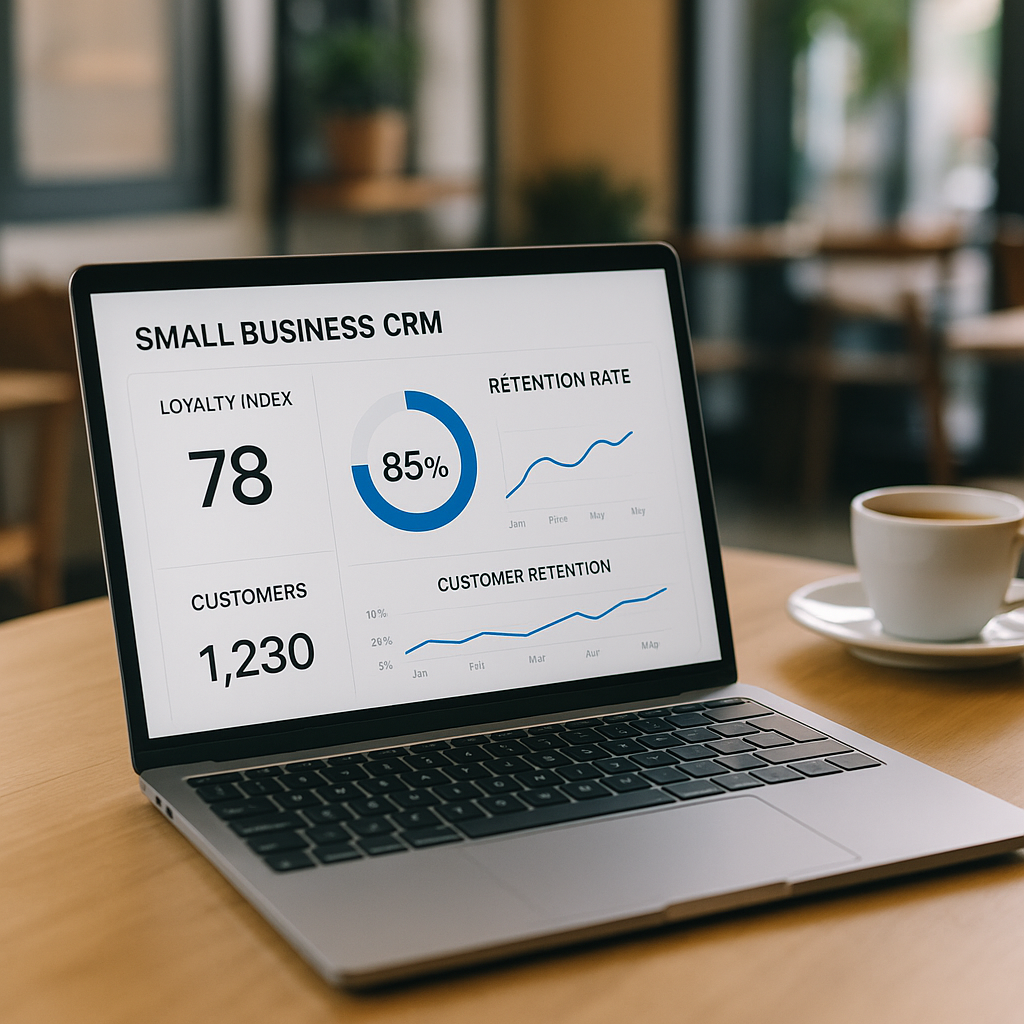
The key is making these systematic, not sporadic. Use your CRM to trigger reminders and track interactions.
Automation That Feels Personal
You can automate follow-ups without sounding robotic:
- Use merge fields for names and purchase details
- Reference specific interactions or preferences
- Keep the tone conversational, not corporate
- Include a real reply-to address
The goal is scalable personalization—touching every customer consistently while making each one feel individually valued.
2. Create Meaningful Loyalty Incentives
Points programs are everywhere, which means they’ve largely become noise. If everyone offers “buy 10, get 1 free,” that’s no longer a differentiator—it’s table stakes.
Modern loyalty programs need to go deeper.
Tiered Recognition
Instead of flat rewards, create meaningful tiers:
Bronze (New Customer)
- Welcome discount on second purchase
- Access to customer-only content
Silver (Repeat Customer)
- Priority booking or service
- Exclusive early access to new offerings
- Birthday or anniversary recognition
Gold (VIP Customer)
- Personal account manager or direct line
- Invitation-only events
- Input on new products or services
- Surprise-and-delight perks
Experience-Based Rewards
Move beyond discounts to experiences:
- Behind-the-scenes access
- Meet-and-greets or exclusive workshops
- First look at new products
- Co-creation opportunities
A restaurant might offer cooking classes with the chef. A boutique might host private shopping events. A contractor might invite top clients to a home improvement workshop.
Referral Incentives That Actually Motivate
Standard referral programs offer $20 off for you and your friend. Better programs recognize that referrals are endorsements:
- Thank customers personally for referrals
- Offer rewards that feel special, not transactional
- Celebrate when referrals convert
- Create referral tiers for super-advocates
3. Collect and Act on Feedback Systematically
Most businesses collect feedback sporadically or not at all. Those that do often let it sit in a spreadsheet, unexamined.
Effective feedback systems close the loop.
When to Ask
Transactional feedback: After purchases or service calls
- Keep it short (1-3 questions max)
- Focus on the specific interaction
- Make it easy to respond
Relationship feedback: Quarterly or annually
- Deeper dive into overall satisfaction
- Net Promoter Score (NPS) or similar metric
- Open-ended questions about improvements
Recovery feedback: After issues are resolved
- Did we fix the problem?
- How was the resolution process?
- What could we have done better?
What to Do With It
Collecting feedback is worthless without action:
- Categorize responses by theme (product, service, price, experience)
- Identify patterns that suggest systemic issues
- Prioritize changes based on frequency and impact
- Communicate changes back to customers who flagged issues
- Measure improvement over time

The Magic of Closing the Loop
When you make changes based on feedback, tell the customers who suggested them:
“Thanks to your suggestion about our appointment scheduling, we’ve added online booking. You were right—it’s much more convenient.”
This single practice transforms customers from buyers into stakeholders. They feel heard, valued, and invested in your success.
4. Make Problem Resolution Effortless
Every business has problems. What separates retention leaders is how they handle them.
The HEARD Framework
H - Hear the customer out completely Let them vent without interruption. Don’t get defensive.
E - Empathize with their frustration Acknowledge their feelings. “I’d be frustrated too.”
A - Apologize sincerely Even if it wasn’t your fault, apologize for their experience.
R - Resolve the issue Fix it quickly, and go slightly above what’s expected.
D - Document and follow up Record what happened and check in later to ensure satisfaction.
Empower Your Team
Nothing frustrates customers more than hearing “I’ll have to check with my manager” for simple issues. Give front-line staff:
- Clear authority limits (what they can comp or refund)
- Decision guidelines (when to escalate vs. handle)
- Support when they make judgment calls
Recovery That Creates Loyalty
Here’s a counterintuitive truth: customers who experience a problem that’s handled well often become more loyal than those who never had issues.
This is called the service recovery paradox. A smooth recovery demonstrates:
- You take responsibility
- You’re capable of fixing things
- You value the relationship
Don’t just fix the problem—recover the relationship.
5. Personalize Without Being Creepy
Customers expect personalization now. But there’s a line between “they know my preferences” and “they’re watching me.”
Personalization That Works
Remember purchase history: Recommend based on what they’ve bought before Note preferences: Track communication preferences, special requests Anticipate needs: If they buy coffee every Monday, have it ready Celebrate milestones: Customer anniversaries, birthdays (if shared)
Personalization That Backfires
Over-using browsing data: “We noticed you looked at…” Assumptions based on demographics: Don’t guess at preferences Too much too soon: Build the relationship gradually Sharing across channels awkwardly: “I see you tweeted about us…”
The Right Level of Data
Start with:
- Name and contact preferences
- Purchase history
- Service preferences and special requests
- Communication history with your team
- Feedback they’ve provided
Add cautiously:
- Behavior patterns (with value to the customer)
- Social information (only if they’ve shared it)
- Third-party data (rarely appropriate for small business)
6. Build Community Around Your Brand
When customers connect with each other through your brand, you’ve created something bigger than transactions. You’ve created belonging.
Community Formats
In-person gatherings
- Customer appreciation events
- Educational workshops
- Networking opportunities
- Exclusive launches
Digital communities
- Private Facebook groups
- Slack or Discord channels
- User forums
- Exclusive content platforms
Hybrid approaches
- Local chapters with online connection
- Virtual events with in-person meetups
- Content communities with real-world applications
What Makes Community Work
Shared identity: Members feel part of something Value exchange: They get something from participating Peer connection: They connect with each other, not just you Status and recognition: Active members get acknowledged Appropriate moderation: Spam and toxicity are managed
Starting Small
You don’t need a massive platform. Start with:
- A monthly email roundup featuring customer stories
- Quarterly calls with your best customers
- A simple forum or group for Q&A and sharing
Scale based on engagement, not ambition.
7. Communicate Value Continuously
Customers forget why they chose you. Your job is to remind them—not through sales pitches, but through value.
Content That Retains
Educational content: Help them get more from what they bought Industry insights: Share what you’re seeing in your field Behind-the-scenes: Let them into your world Success stories: Show what’s possible Relevant updates: Keep them informed about changes that affect them
Cadence and Channel
Match your communication to how customers want to hear from you:
- Email: Still effective when valuable and not too frequent
- SMS: For time-sensitive updates and reminders
- Social: For community and casual engagement
- Direct mail: For high-touch moments (stands out now)
- Phone: For high-value relationships
The 80/20 Rule
80% value, 20% promotion. When you consistently deliver helpful content, the occasional sales message doesn’t feel intrusive—it feels like a relevant update.
Building Your Retention System
These seven strategies work best as a system, not isolated tactics. Here’s how to implement them:
Week 1: Audit Your Current State
- Map your customer journey from first purchase onward
- Identify where customers typically drop off
- Assess what follow-up and feedback systems exist
Week 2-3: Build Your Follow-Up Engine
- Create post-purchase email sequences
- Set up check-in triggers in your CRM
- Draft templates that sound like you
Week 4: Launch Feedback Collection
- Choose one method (survey, NPS, conversation)
- Implement for all new customers
- Create a simple process to review and act on responses
Month 2: Develop Recognition Systems
- Define customer tiers (even informally)
- Create tier-appropriate touchpoints
- Plan at least one appreciation gesture monthly
Month 3+: Refine and Scale
- Measure retention rates and identify trends
- A/B test different approaches
- Expand what works, cut what doesn’t
The Compound Effect of Retention
Retention improvements compound over time. A customer who stays an extra year doesn’t just add one year of revenue—they refer more, buy more, and become an advocate.
Small improvements in how you treat existing customers create outsized returns. A 5-minute thank-you call. A personalized note. A problem resolved with grace.
These moments don’t cost much. But they’re what customers remember—and what keeps them coming back.
Need help building retention systems for your business? We help small businesses create practical, automated customer retention systems that grow loyalty without growing your workload. Get in touch to discuss what’s possible.