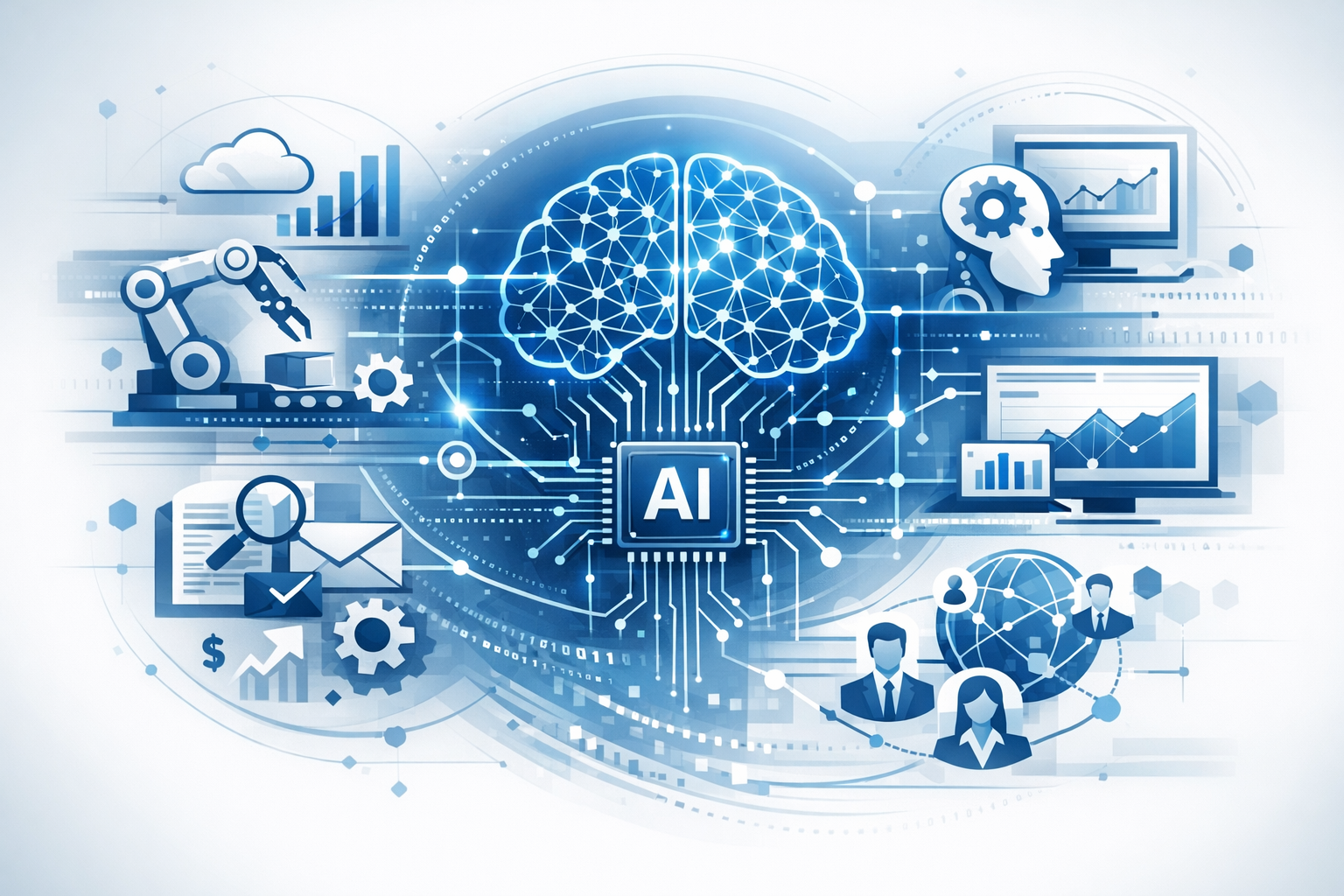
The AI hype cycle has finally given way to practical adoption. While 2024 and 2025 were years of experimentation, 2026 is when small businesses are actually implementing AI systems that deliver measurable returns.
You don’t need a Silicon Valley budget to benefit. The tools that once required enterprise-level investment are now accessible to local service businesses, medical practices, and growing companies of all sizes. Here’s what’s actually working right now.
1. Conversational AI That Actually Works
Remember the clunky chatbots of 2023? Those frustrating “I don’t understand” loops that made customers want to throw their phones? They’re gone.
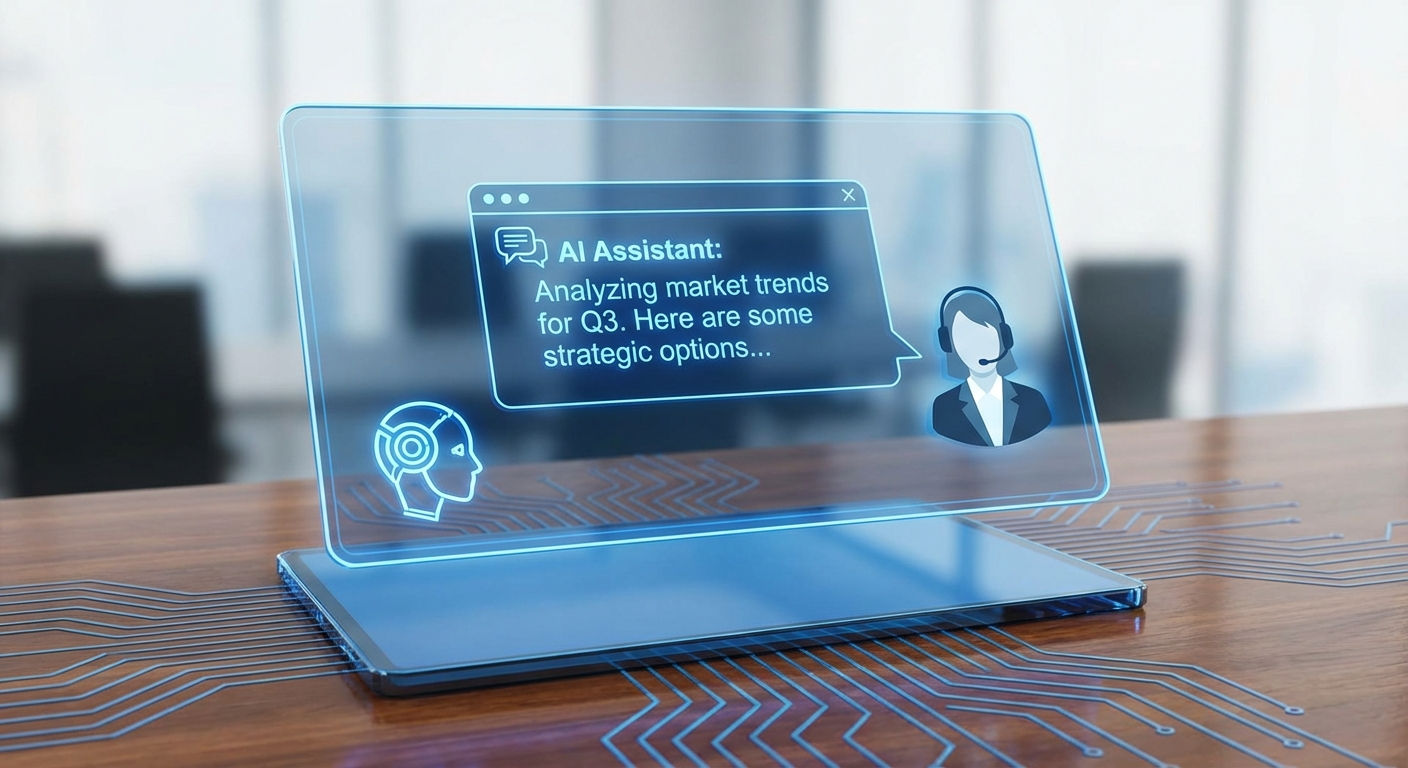
Today’s conversational AI understands context, handles complex requests, and knows when to escalate to a human. For small businesses, this means:
- 24/7 availability without overnight staffing costs
- Instant responses to common questions
- Appointment booking directly through conversation
- Lead qualification before your team ever gets involved
Medical practices are using HIPAA-compliant versions to handle patient inquiries while maintaining privacy standards. Local service companies are capturing leads that previously went to competitors when phones went unanswered.
The shift isn’t just about technology—it’s about meeting customers where they already are. Today’s consumers expect instant responses. Businesses that deliver them capture the business.
2. Predictive Analytics for the Rest of Us
Predictive analytics used to mean expensive consultants and custom software. In 2026, it means affordable tools that tell you:
- When your busy seasons are coming (and how to prepare)
- Which leads are most likely to convert
- What services customers will want next
- Where your marketing dollars work hardest
For aesthetic practices, this might mean knowing which consultation types convert at the highest rates, or predicting when patients are likely to book follow-up procedures.
For local businesses, it’s understanding seasonal patterns before they hit—so you can staff appropriately and adjust your marketing calendar.
The key difference in 2026: these insights come from your existing data. Your CRM, your booking system, your website analytics—AI tools now connect the dots automatically.
3. Voice AI That Replaces Missed Opportunities
Every missed call is a customer who might call your competitor instead. Voice AI in 2026 goes beyond simple voicemail:
- Answers calls instantly, even during peak hours
- Captures complete lead information conversationally
- Books appointments directly into your calendar
- Routes urgent matters to on-call staff
- Follows up automatically via text or email
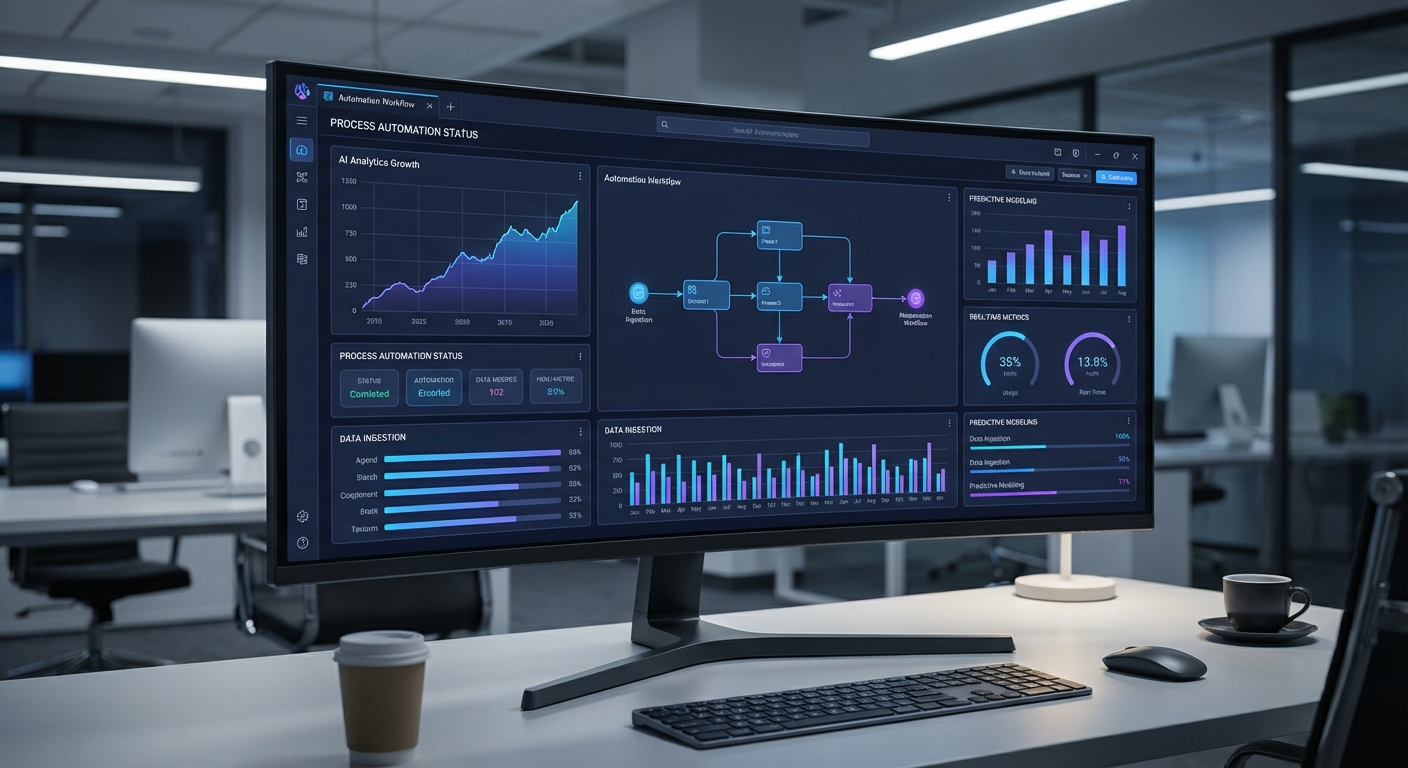
The sophistication here matters. Today’s voice AI doesn’t sound robotic—it sounds like a helpful team member who happens to be available 24 hours a day.
For small businesses, this solves the impossible math of customer service: you can’t answer every call personally, but every unanswered call costs you money.
4. Hyper-Personalized Marketing at Scale
The email blast is dead. In 2026, successful small businesses send communications that feel personal because they are personal—powered by AI that understands individual customer behavior.
This means:
- Dynamic content that changes based on the recipient’s history
- Send time optimization based on when each person actually opens emails
- Automated sequences that adapt based on engagement
- Predictive product/service recommendations unique to each customer
Medical practices are using this for patient nurturing—sending procedure information when patients are statistically most likely to be interested. Local businesses are seeing dramatically higher open rates by letting AI determine optimal timing and content.
The technology isn’t new, but the accessibility is. Tools that cost enterprise budgets two years ago are now available at small business price points.
5. Workflow Automation That Connects Everything
The frustration of disconnected systems—your CRM doesn’t talk to your scheduling tool, which doesn’t talk to your invoicing system—is finally solvable without custom development.
2026’s workflow automation platforms feature:
- No-code setup that non-technical owners can configure
- AI-powered suggestions for automation opportunities
- Pre-built templates for common business workflows
- Cross-platform connections between hundreds of business tools
The real shift: AI now identifies automation opportunities you didn’t even know you had. It analyzes your workflows and suggests where you’re wasting time on repetitive tasks.
For practices handling patient intake, this might mean automatically moving consultation requests through qualification, scheduling, intake forms, and appointment reminders—with zero manual intervention until the patient walks through the door.
6. Content Creation That Saves Time (Not Quality)
AI content tools have matured beyond generic blog posts. In 2026, they’re genuinely useful for:
- First drafts that capture your brand voice
- Social media variations from single content pieces
- Email response templates trained on your communication style
- Review responses that feel personal but save hours weekly

The key word is assistance—not replacement. The businesses seeing results use AI to accelerate their content production while maintaining human oversight for quality and brand consistency.
This is especially valuable for small teams where the owner or a single marketing person handles all communications. AI handles the time-consuming first draft; humans add the final touches that matter.
7. Data Security and Privacy as a Selling Point
Here’s a trend that’s easy to overlook: privacy-first AI is becoming a competitive advantage.
As consumers grow more aware of data practices, businesses that can demonstrate responsible AI use stand out. This is particularly relevant for:
- Medical practices where HIPAA compliance is non-negotiable
- Professional services handling sensitive client information
- Any business building trust with privacy-conscious customers
The 2026 shift: AI vendors now compete on security features, not just capabilities. Local data processing, encryption standards, and compliance certifications are becoming buying criteria—not afterthoughts.
What This Means for Your Business
The theme across all these trends is accessibility. The AI tools that work in 2026 aren’t the ones making headlines with wild promises—they’re the ones quietly helping small businesses compete with larger competitors.
The common thread: automation that frees you to focus on what matters.
Whether that’s a surgeon focusing on patients instead of marketing, or a plumber focusing on jobs instead of phone tag—AI in 2026 handles the repetitive work while you do what you’re actually good at.
Getting Started Without Getting Overwhelmed
If this feels like a lot, here’s the practical approach:
- Start with your biggest time sink — Where are you or your team wasting hours on repetitive tasks?
- Look for quick wins — Voice AI and chatbots typically show ROI within weeks, not months
- Connect your existing tools — Automation platforms can link what you already use
- Scale gradually — Add capabilities as you see results, not all at once
The Bottom Line
AI in 2026 isn’t about replacing your business—it’s about amplifying what you already do well. The practices and companies seeing the best results aren’t chasing every new tool. They’re strategically implementing solutions that solve real problems.
The question isn’t whether to adopt AI anymore. It’s which problems you solve first.
Ready to explore which AI solutions make sense for your business? Contact Monsoft Solutions for a practical assessment of where automation can deliver results for your specific situation.
Frequently Asked Questions
Is AI technology affordable for small businesses in 2026?
Yes—AI tools have become significantly more accessible. Many solutions now offer small business pricing starting under $100/month, with scalable plans that grow with your needs. The enterprise-only pricing models of 2023-2024 have largely disappeared as competition increased and technology became more efficient.
How long does it take to implement AI automation?
Most small business AI implementations take 2-4 weeks for basic setup and integration. Conversational AI and voice systems can often be operational within days. More complex workflow automations may take 4-8 weeks depending on how many systems need to connect and how customized your processes are.
Do I need technical expertise to use business AI tools?
Most 2026 AI tools are designed for non-technical users. No-code interfaces, pre-built templates, and AI-powered setup assistants handle the complexity. That said, working with a knowledgeable implementation partner can accelerate results and help you avoid common pitfalls.
Is AI automation HIPAA-compliant for medical practices?
It can be—but not automatically. Medical practices must specifically choose AI tools that offer HIPAA compliance, including Business Associate Agreements (BAAs), encrypted data handling, and compliant data storage. Reputable vendors clearly advertise their compliance status and documentation.